How Decentralized Betting Works: From Smart Contracts to Secure Payouts & Common FAQs
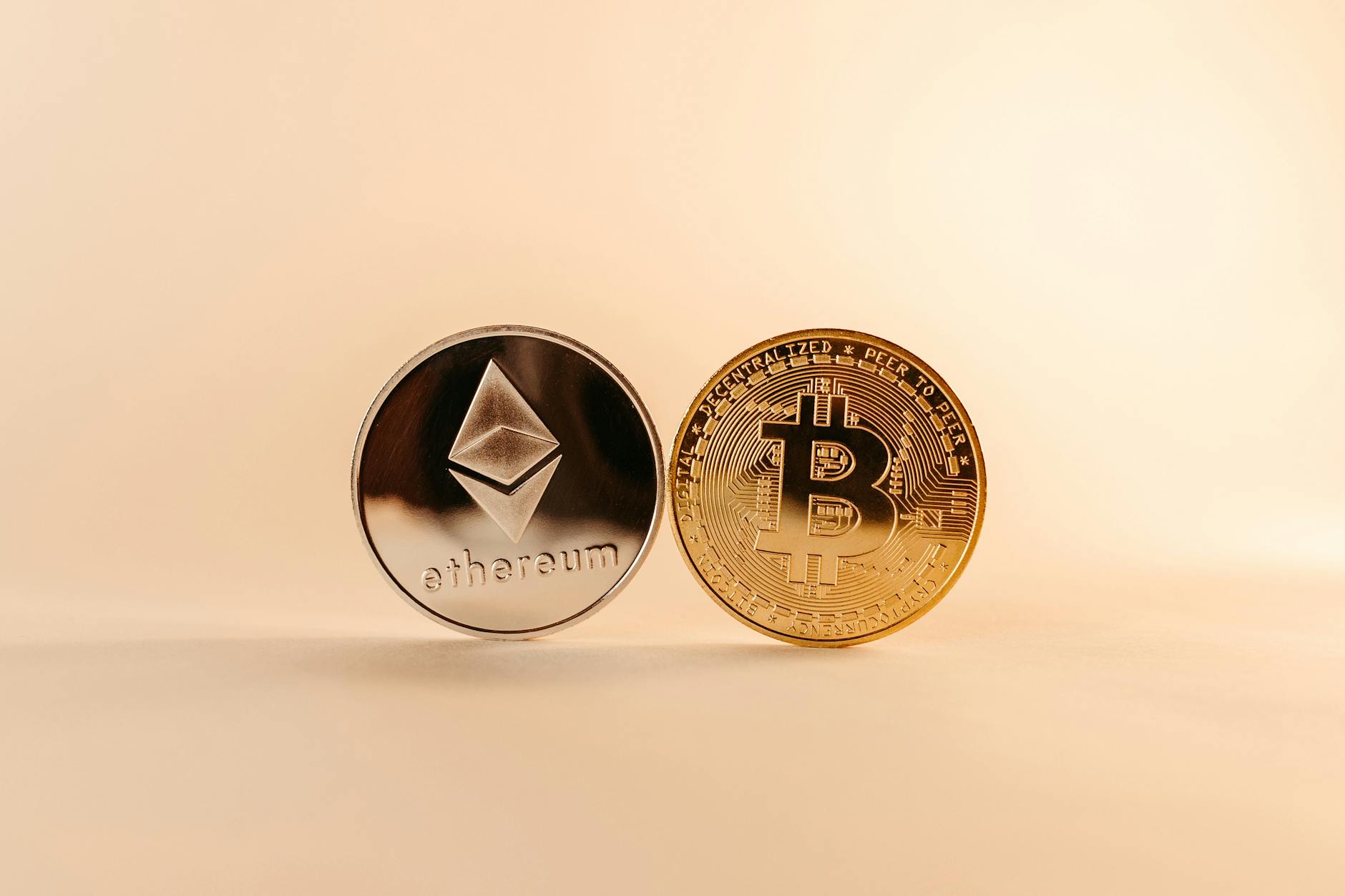
Decentralized betting platforms leverage the power of blockchain technology to create a transparent and tamper-proof wagering environment. At its core, the process revolves around smart contracts – self-executing agreements stored directly on a blockchain, like Ethereum. When a bet is placed, the funds are locked into one of these contracts. The smart contract contains predefined rules that dictate the outcome based on real-world data, often fed by decentralized oracles. Once the event concludes, the smart contract automatically verifies the result and distributes winnings to the correct parties, eliminating the need for a central authority or intermediary. This automated system significantly reduces the risk of fraud and ensures that payouts are fair and instantaneous, provided the conditions are met.
The beauty of decentralized betting lies in its inherent security and transparency. Because all transactions and contract logic are recorded on a public ledger, anyone can audit the system, fostering trust and accountability. Furthermore, these platforms often offer enhanced privacy compared to traditional bookmakers, as users typically interact using cryptocurrency wallets without requiring extensive personal information. However, it's important to understand some common FAQs. For example,
- How are odds determined? Often by algorithms or peer-to-peer markets.
- What if an oracle is compromised? Reputable platforms utilize redundant and decentralized oracle networks to mitigate this risk.
- Are there fees? Yes, usually in the form of transaction fees on the underlying blockchain.
Decentralized betting platforms leverage blockchain technology to offer a transparent and secure alternative to traditional bookmakers. These platforms enable peer-to-peer wagering, often using cryptocurrencies, and remove the need for intermediaries, ensuring that all transactions and outcomes are verifiable on a public ledger. For more information on decentralized betting, you can explore various projects that are revolutionizing the online gambling landscape by empowering users with greater control and fairness.
Getting Started with Decentralized Betting: Choosing a Platform, Funding Your Wallet & Key Considerations
Embarking on your decentralized betting journey requires a careful selection of the right platform. Unlike traditional bookmakers, decentralized platforms operate on blockchain technology, offering increased transparency and often, better odds due to reduced overheads. When making your choice, consider factors such as the platform's reputation within the crypto community, the range of sports or events available for betting, and the types of cryptocurrencies accepted. Look for platforms with intuitive user interfaces and strong community support. Furthermore, investigate their security protocols, as the decentralized nature means you are largely responsible for your own funds. A good starting point would be to research platforms that have been operational for a significant period and have positive user reviews.
Once you've chosen a platform, the next crucial step is funding your decentralized wallet and understanding key considerations. Most decentralized betting platforms require you to connect a compatible cryptocurrency wallet, such as MetaMask or Trust Wallet. You'll need to acquire the specific cryptocurrency supported by your chosen platform, often Ethereum (ETH) or a stablecoin like USDC, through a reputable exchange. Transfer these funds to your connected wallet, and then you can deposit them onto the betting platform.
Always double-check wallet addresses before initiating any transfer to avoid irretrievable loss of funds.Beyond funding, familiarize yourself with the platform's smart contract functionality, gas fees associated with transactions, and the process for withdrawing your winnings. Understanding these nuances will ensure a smooth and secure decentralized betting experience.