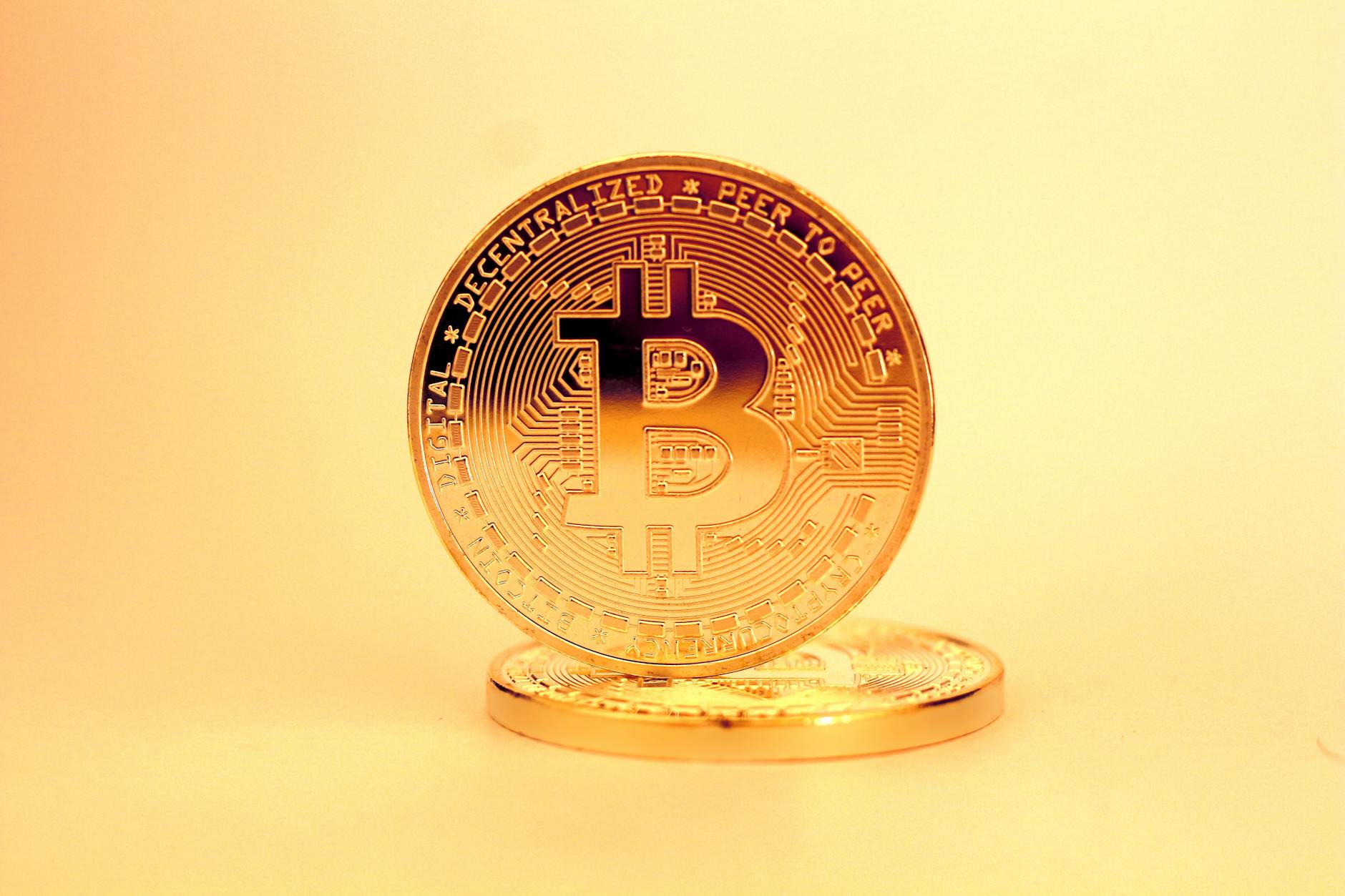
H2: From Opaque Odds to Open Ledgers: Why Blockchain is Betting's Game Changer
The traditional betting landscape has long been plagued by a lack of transparency, leading to distrust and skepticism among players. Odds manipulation, disputes over payouts, and a general opaqueness in how games are run have been persistent issues. Blockchain technology offers a revolutionary solution to these ingrained problems. By leveraging its inherent immutability and distributed ledger capabilities, blockchain introduces an unprecedented level of transparency and fairness. Every transaction, every wager, and every outcome can be recorded on an unchangeable public ledger, accessible to all participants. This eliminates the possibility of retrospective alteration or hidden dealings, fostering an environment of undeniable integrity. For bettors, this means greater confidence in the system, knowing that the rules are being followed and the odds are genuinely represented.
Beyond mere transparency, blockchain empowers bettors with a greater sense of control and verifiable fairness. Consider the impact on smart contracts, which are self-executing agreements with the terms directly written into code. In betting, this translates to automated payouts and dispute resolution, removing the need for intermediaries and their potential biases. Furthermore, the decentralized nature of many blockchain-based betting platforms means that no single entity controls the entire operation, reducing the risk of censorship or unfair practices. Players can easily verify:
- The integrity of the random number generators (RNGs) used for game outcomes.
- The fair distribution of winnings.
- The absence of hidden fees or charges.
Decentralized betting offers a revolutionary approach to wagering, leveraging blockchain technology to ensure transparency, fairness, and censorship resistance. Unlike traditional platforms, decentralized betting operates on smart contracts, meaning outcomes are determined automatically and immutably, removing the need for trusted intermediaries. This innovative system empowers users with greater control over their funds and a verifiable record of all transactions.
H2: Ditching the Middleman: How Decentralized Betting Puts Power (and Profits) Back in Your Pocket
Traditional sports betting platforms operate with a central authority, acting as a 'middleman' that dictates odds, sets limits, and ultimately profits from every transaction. This model often leads to less favorable odds for bettors, higher fees, and a lack of transparency regarding how winnings are calculated and distributed. Decentralized betting, however, fundamentally shifts this dynamic. By leveraging blockchain technology, these platforms eliminate the need for a central intermediary. Imagine a world where your bets are placed directly onto an immutable ledger, transparently visible to all participants, and executed automatically by smart contracts. This not only fosters greater trust but also significantly reduces operational costs, with those savings often translating into better odds and higher payouts for the user.
The implications of this shift are profound. In a decentralized ecosystem, you, the bettor, regain significant control. Instead of relying on a company's goodwill, you're empowered by the underlying code. This means:
- Fairer Odds: Without a profit-driven middleman, platforms can offer more competitive odds, directly benefiting your potential returns.
- Reduced Fees: Transaction costs are often significantly lower, as there's no central entity taking a cut of every wager.
- Enhanced Transparency: All transactions are recorded on a public blockchain, ensuring an auditable and tamper-proof history of every bet and payout.
- True Ownership: Your funds are held in your own cryptocurrency wallet, not by a third-party platform, giving you ultimate control over your assets.
Ultimately, decentralized betting isn't just about a new way to place a wager; it's about a fundamental rebalancing of power, putting more of the profit and decision-making capability squarely back into the hands of the individual.