The Hidden Dangers of Poor Posture: How Your Chair Could Be Harming You
Many of us spend hours in front of a computer, often without giving a second thought to our posture. Poor posture can lead to a myriad of health issues, affecting everything from your spine to your mental well-being. The hidden dangers of poor posture extend beyond mere discomfort; they can manifest as chronic pain, fatigue, and even reduced productivity. To combat this, it's essential to evaluate the chair you're using. Is it providing proper support? An ergonomic chair can significantly impact your posture, promoting a healthier alignment of your spine over time.
In addition to physical ailments, poor posture can also affect your mood and cognitive functions. Studies indicate that slouched or awkward sitting positions can lead to decreased motivation and increased stress levels. Your chair could be harming you if it doesn't facilitate an upright and comfortable position, causing you to fidget or shift frequently. To maintain a healthy posture, consider adjusting your desk setup and investing in a chair designed to support your body's natural curves. Taking these small steps can help mitigate the risks associated with poor posture, safeguarding your overall health and well-being.
Counter-Strike is a highly popular first-person shooter game that pits two teams against each other: terrorists and counter-terrorists. Players can engage in various game modes, and strategies often revolve around teamwork and communication. For gamers looking to enhance their gaming experience, exploring Top 10 Creator Desk Setups can provide valuable insights into optimal gaming environments.
Top 5 Ergonomic Tips to Revamp Your Workspace Today
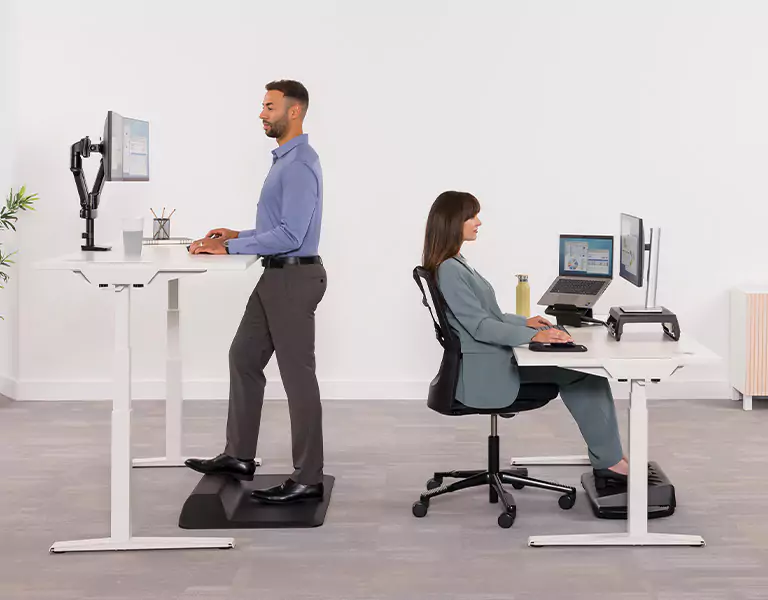
Transforming your workspace into an ergonomic haven is essential for enhancing productivity and ensuring your well-being. Here are the Top 5 Ergonomic Tips to revamp your workspace today:
- Adjust Your Chair: Ensure your chair supports your lower back and allows your feet to rest flat on the ground. Consider using a footrest if necessary.
- Monitor Placement: Position your monitor at eye level to prevent neck strain. The top of the screen should be at or slightly below eye level and about an arm's length away from your eyes.
- Keyboard and Mouse Placement: Keep your keyboard and mouse at a height that allows your elbows to remain at a 90-degree angle, reducing shoulder strain.
- Lighting: Utilize natural light when possible and invest in desk lamps to minimize glare on screens and reduce eye strain.
- Take Regular Breaks: Implement the 20-20-20 rule: every 20 minutes, take a 20-second break and look at something 20 feet away to alleviate eye fatigue.
Is Your Office Chair a Health Hazard? Signs You Need an Upgrade
In today's fast-paced work environment, many of us spend hours seated at a desk, making the choice of office chair crucial for our overall health. An uncomfortable chair can lead to a range of issues, including chronic back pain, poor posture, and even repetitive strain injuries. Is your office chair a health hazard? It's important to recognize the signs that indicate it may be time for an upgrade. For instance, if you frequently experience discomfort or pain after a long day of work, your chair might not be providing the necessary support for your body.
Another telltale sign that your chair might be a detriment to your health is its age and condition. Office chairs are not built to last a lifetime, and outdated models often lack the ergonomic features that are essential for maintaining good posture. If your chair is showing signs of excessive wear, such as sagging seat cushions or a wobbly base, it might be time to consider a replacement. Remember, investing in a good office chair is not just about comfort; it's also about promoting better health and productivity in the long run.