5 Signs Your Office Chair is Sabotaging Your Productivity
In today's fast-paced work environment, having the right office chair is crucial to maintaining productivity. However, many employees overlook the direct impact their chair has on their workflow. Here are 5 signs your office chair is sabotaging your productivity:
- Chronic Discomfort: If you find yourself shifting positions frequently or experiencing aches after long hours, your chair may not be providing adequate support.
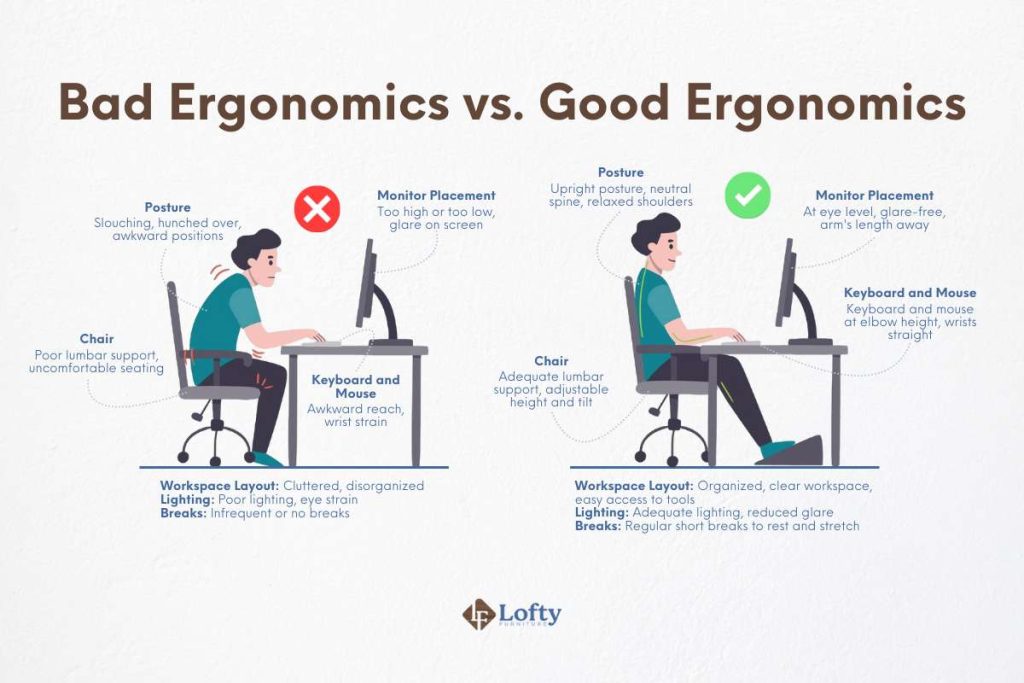
- Poor Posture: An ineffective office chair can lead to slouching or hunching, resulting in strain on your spine and decreased focus.
Additionally, an ineffective office chair might limit your mobility or make it difficult to adjust to a comfortable height. Look out for these further signs:
- Declining Energy Levels: If you're feeling more fatigued than usual, it could be a sign that your chair is not allowing proper blood circulation.
- Distractions: Uncomfortable seating can lead to increased distractions as you fidget to find a comfortable position.
- Frequent Breaks: If you're taking more breaks just to escape your chair, it’s clearly time for an upgrade.
Counter-Strike is a highly popular multiplayer first-person shooter game franchise that has captivated gamers since its initial release in 1999. Players engage in team-based combat as either terrorists or counter-terrorists, utilizing strategy and skill to complete objectives or eliminate the opposing team. The game has evolved significantly over the years, with Top 10 iPad Accessories for Remote Work being one of many gaming accessories that enhance the overall gaming experience. With a thriving esports scene and a dedicated community, Counter-Strike continues to be a staple in competitive gaming.
Ergonomic Myths: Is Your Chair Really the Problem?
When it comes to ergonomic myths, many people readily point to their chairs as the primary cause of discomfort and pain. However, the reality is often more nuanced. While having a proper ergonomic chair can indeed enhance comfort during long hours of sitting, it is not the sole factor determining your physical well-being. Other elements such as posture, desk height, and even the arrangement of your workspace play crucial roles in your overall ergonomics. Studies suggest that adjusting these variables can yield significant improvements in comfort and productivity, often more so than simply investing in high-end seating.
Another prevalent myth is the belief that all ergonomic chairs are universally suitable for everyone. In truth, finding the right chair is a highly personalized process, as individual body types and personal preferences vary greatly. A chair that works for one person might exacerbate discomfort for another. It is essential to consider factors such as lumbar support, seat depth, and armrest height, all tailored to your unique needs. When assessing the effectiveness of your chair, it is vital to reflect on these dimensions rather than attributing discomfort solely to the chair itself.
How to Choose the Perfect Chair: Is Comfort Key to Health?
Choosing the perfect chair is crucial, not only for aesthetics but also for your overall well-being. When selecting a chair, comfort should be a top priority for anyone who spends significant time sitting. An uncomfortable chair can lead to various health issues, including back pain and poor posture. Begin by considering the material; high-quality fabrics and supportive cushioning are essential for long periods of use. Ensure that the chair provides adequate lumbar support that promotes the natural curve of your spine, allowing you to maintain a healthy posture throughout your daily activities.
Alongside comfort, it's important to assess how the chair contributes to your health. A well-designed chair can improve circulation and reduce fatigue. Look for features such as adjustable height, armrests, and a swivel base, which can enhance mobility and encourage movement.
Here are some key points to consider when evaluating a chair's impact on your health:
- Ergonomics: Ensure the chair supports your body properly.
- Adjustability: Opt for chairs that can be customized to fit your size.
- Mobility: Choose chairs that allow for easy movement and access.
By carefully considering these elements, you can select a chair that not only enhances your comfort but also supports your long-term health.