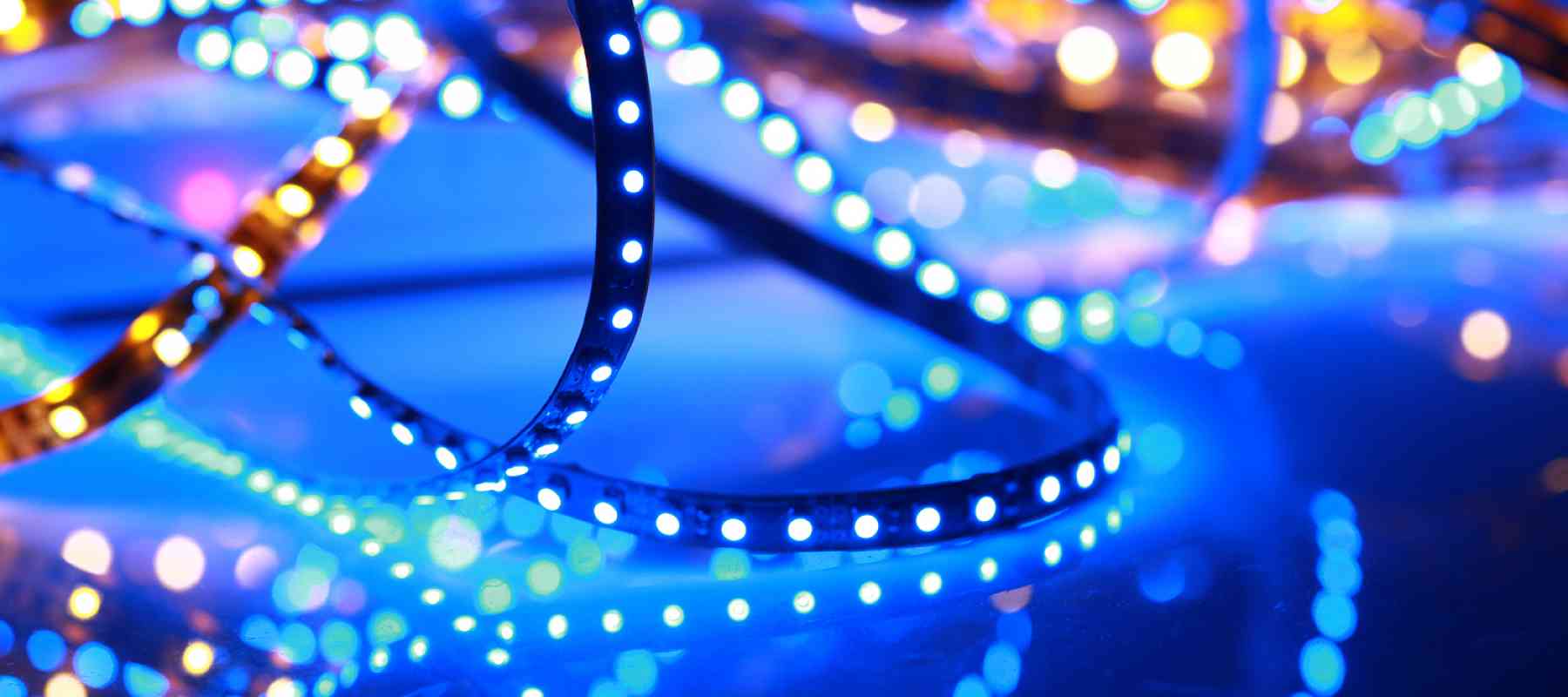
Understanding the Psychology of Color in Lighting
Understanding the Psychology of Color in Lighting is crucial for creating spaces that evoke specific emotions and reactions. Different colors can significantly influence our moods, perceptions, and even behaviors. For instance, warm colors like reds, yellows, and oranges are often associated with warmth, energy, and stimulation, making them ideal for social areas. Conversely, cool colors such as blues and greens tend to promote calmness and relaxation, making them suitable for bedrooms and meditation spaces. By harnessing the psychological effects of color in lighting, designers and homeowners can create environments that enhance the overall well-being of inhabitants.
When considering the psychology of color in lighting, it's essential to recognize that the impact of color can vary based on context and cultural background. For example, while white lighting may be perceived as clean and modern in one context, it may evoke feelings of sterility or harshness in another. Lighting also plays a critical role in accentuating features in a space, influencing how colors are perceived. To ensure the desired psychological response, it is beneficial to experiment with different lighting techniques such as layering, adjusting brightness, and utilizing colored filters. This approach allows one to tailor environments that not only meet aesthetic preferences but also foster positive emotional experiences.
Counter-Strike is a highly popular first-person shooter game that pits teams of terrorists against counter-terrorists in various game modes. Players can engage in tactical gameplay, honing their skills while utilizing different weapons and strategies. For gamers looking to enhance their streaming or gameplay experience, check out the Top 10 iPhone video accessories that can elevate your content creation to the next level.
How to Choose the Right Lighting Colors for Different Spaces
Choosing the right lighting colors for different spaces can significantly affect the ambiance and functionality of a room. First, consider the purpose of the space. For example, in a living room, you may want warm tones like soft whites or yellows to create a cozy atmosphere. On the other hand, task-oriented areas like kitchens or offices benefit from cooler whites or bright lights that enhance focus and productivity. It's important to assess how natural light interacts with your chosen colors throughout the day, as this can influence your overall lighting scheme.
Additionally, you should take into account the color temperature of your light bulbs, typically measured in Kelvin (K). For example, bulbs below 3000K emit a warm, inviting glow suitable for relaxation, while those around 4000K provide a neutral light ideal for workspaces. Accent lighting in darker areas can also enhance the aesthetic appeal, so consider implementing dimmers or adjustable lighting solutions to create the desired effect. By thoughtfully selecting lighting colors and types, you can elevate your space to reflect your personal style and meet functional needs.
Can Lighting Color Enhance Your Mood? Exploring the Science Behind Color Conversations
The impact of lighting color on our mood has been a topic of interest for both scientists and interior designers alike. Research indicates that different colors can evoke varying emotional responses. For instance, warm colors such as red and yellow are often associated with feelings of vitality and energy, while cooler shades like blue and green tend to promote calmness and tranquility. This phenomenon can be attributed to the psychology of colors, which suggests that hues can influence our feelings and behaviors in significant ways.
In practical applications, homeowners and businesses are increasingly utilizing this knowledge by selecting lighting colors to enhance emotional well-being. For example, utilizing soft blue lights in a bedroom can create a serene environment conducive to relaxation, while vibrant yellow lights in a workspace may stimulate creativity and focus. If you're looking to explore the link between color and mood in your own spaces, consider experimenting with different lighting colors to discover what works best for you, transforming not just the ambiance but also enhancing your overall well-being.