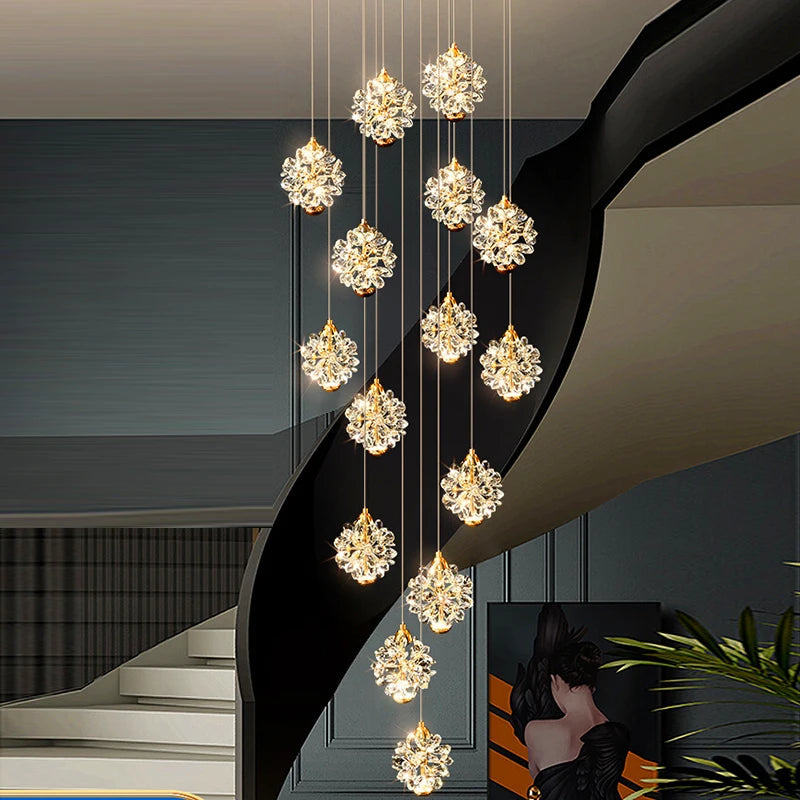
5 Ways to Use Lighting to Boost Your Mood
Lighting has a profound impact on our mental state and can significantly boost your mood. One effective way to harness this power is by maximizing natural light in your living spaces. Open up those curtains and let the sunlight stream in! Exposure to natural light has been shown to increase the production of serotonin, the hormone responsible for feelings of happiness. If you're working from home or spending considerable time indoors, consider rearranging your furniture to allow more sunlight to enter, or try using mirrors to reflect light and brighten up dark corners.
Another effective method is to experiment with various types of artificial lighting. Warm, soft light is often associated with comfort and relaxation, unlike harsh fluorescent lights that can induce feelings of stress. Try incorporating dimmer switches or smart bulbs that allow you to adjust the intensity of your lighting. Furthermore, adding accent lighting such as table lamps or string lights can create a cozy atmosphere that promotes a positive mindset. Remember, the right lighting can transform your environment and elevate your spirits!
Counter-Strike is a highly popular tactical first-person shooter game that pits two teams, terrorists and counter-terrorists, against each other in various objective-based scenarios. Players can choose from a wide range of weapons and equipment, strategically collaborating with their team to achieve victory. For content creators who want to share their gameplay or experiences, consider checking out the Top 10 Vlog Kits for iPhone 17 to enhance your streaming quality.
The Psychology of Light: How It Affects Your Emotions
The psychology of light plays a crucial role in influencing our emotions and overall well-being. Different types of lighting can create distinct atmospheres, impacting how we feel in various environments. For instance, natural light is associated with feelings of happiness and energy, while dim or artificial light can evoke feelings of calmness or, conversely, sadness. According to research, exposure to natural sunlight can boost serotonin levels, a neurotransmitter that helps regulate mood. This phenomenon illustrates how light not only illuminates our surroundings but also profoundly affects our mental states.
Moreover, light design is increasingly recognized as an essential aspect of psychology within architecture and interior environments. A well-lit space can enhance productivity and creativity, while poorly lit areas may contribute to feelings of lethargy or anxiety. For example, incorporating warmer tones in lighting can make a space feel more inviting and cozy, promoting social interaction and comfort. Conversely, brighter, cooler light may be stimulating, aiding focus and alertness. By understanding the psychology of light, individuals and businesses can create environments that enhance emotional well-being and foster positive experiences.
Are You Using the Right Lightbulbs for Your Space?
Choosing the right lightbulbs for your space can significantly impact not only the aesthetics but also the functionality of your home or office. Different areas require different types of lighting, so it's essential to consider factors such as color temperature, brightness, and the purpose of the room. For instance, a warm white light (around 2700K) is ideal for living rooms and bedrooms, creating a cozy atmosphere, while a cooler, daylight-like bulb (above 5000K) is perfect for task-oriented spaces, such as kitchens and offices, where clarity and focus are vital.
Moreover, energy efficiency should also play a crucial role in your decision-making process. LED bulbs are an excellent choice as they consume less energy and have a longer lifespan compared to traditional incandescent bulbs. When shopping for lightbulbs, consider lumens, which measure brightness; look for a bulb that provides adequate lighting without being too harsh or dim. Remember, the right lightbulbs can transform not just how your space looks but also how you feel in it.