5 Common Sound Quality Issues That Ruin Your Music Experience
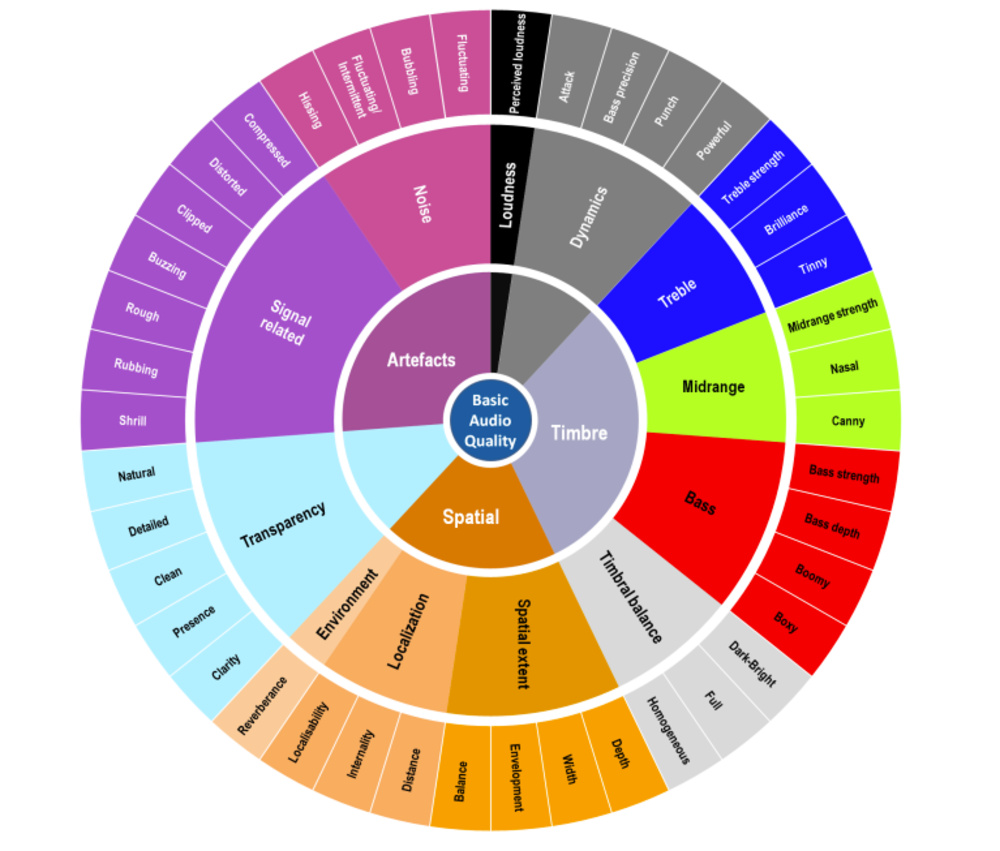
When it comes to enjoying music, sound quality is paramount. However, many listeners encounter a variety of sound quality issues that can severely detract from their experience. One common issue is background noise, which can originate from various sources, including environmental sounds and poor audio equipment. This interference makes it difficult to appreciate the nuances and subtleties of the music you love.
Another prevalent sound quality issue is distortion. This often arises when audio levels are peaked beyond the limits of the playback system, resulting in a harsh, unpleasant sound. Additionally, imbalanced audio is a frequent complaint; this occurs when one channel (left or right) is louder than the other, throwing off the stereo image. Lastly, low bitrate audio files can lead to a loss in fidelity, making your favorite tracks sound flat and lifeless. Addressing these common problems can significantly enhance your music experience.
Counter-Strike is a popular tactical first-person shooter franchise, known for its competitive gameplay and team-based mechanics. Players can choose to team up as terrorists or counter-terrorists, each side having specific objectives that must be completed to win the game. For gamers on the go, having the right audio equipment is crucial, which is why you should check out the Top 10 Earbuds with Long Battery Life.
How Your Audio Equipment Choices Impact Sound Quality
When it comes to achieving superior sound quality, the choice of audio equipment plays a pivotal role. Whether you're an audiophile or a casual listener, understanding how different components interact can lead to a more enriching auditory experience. Factors such as the type of speakers, the quality of cables, and the specifications of your amplifier can significantly alter the sound output. For instance, high-end speakers may produce clearer highs and deeper bass compared to their lower-tier counterparts, showcasing the importance of investing in quality gear.
Furthermore, it’s essential to consider the acoustic environment in which your audio equipment operates. Factors such as room size, furniture placement, and wall materials can influence sound dispersion and fidelity. Additionally, using soundproofing measures and properly positioning your speakers can enhance overall performance. Ultimately, the synergy between your equipment and the listening environment will dictate the quality of sound, making it crucial to assess both when aiming for a top-notch listening experience.
Is Your Listening Environment Sabotaging Your Music?
When it comes to enjoying your favorite music, the listening environment can significantly influence your experience. Factors such as room acoustics, furniture arrangement, and background noise all play a critical role in how sound is perceived. For instance, hard surfaces like walls and floors can create unwanted echoes, while clutter can absorb sound waves, leading to a muddled audio experience. To enhance your listening environment, consider incorporating sound-absorbing materials like rugs, curtains, and acoustic panels that can aid in achieving a clearer and more immersive soundscape.
Moreover, your listening environment can impact not just the audio quality but also your emotional connection to the music. If you're frequently distracted by outside noises or uncomfortable seating, you might find it challenging to fully engage with the melodies and lyrics. To combat this, try creating a dedicated space where you can focus solely on your music. Ensure good seating, reduce distractions, and perhaps even dim the lights for a more intimate feel. By taking these steps, you can transform your music listening into a truly enriching experience.