Understanding USB-C: A Comprehensive Guide to Its Versatility
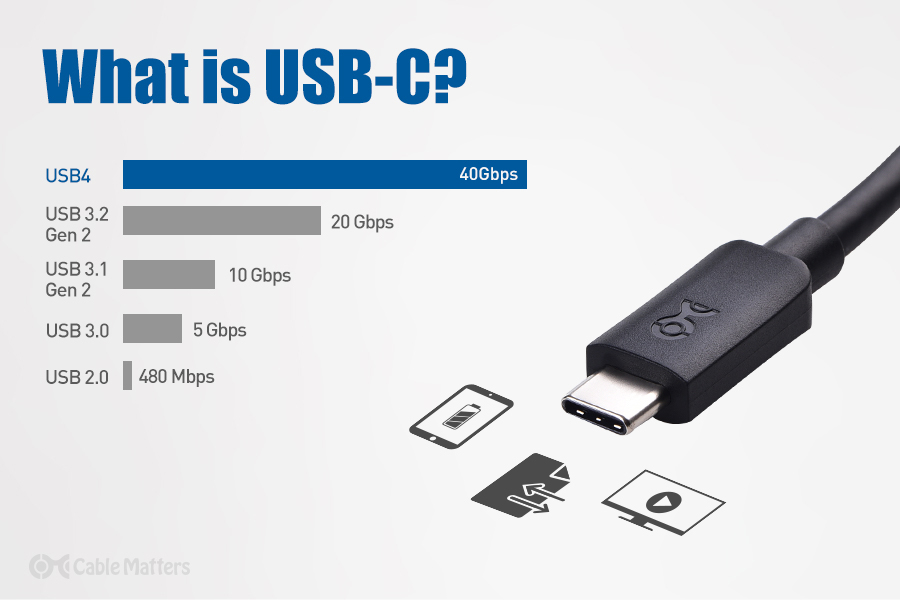
USB-C is rapidly becoming the universal standard for charging and data transfer in modern devices, owing to its versatility and numerous advantages over previous USB iterations. Unlike its predecessors, USB-C connectors are reversible, meaning they can be plugged in either way, offering users unparalleled convenience. Furthermore, USB-C supports faster data transfer speeds of up to 40 Gbps and higher power delivery capabilities, allowing devices to charge more efficiently. This has made it the preferred choice for smartphones, laptops, and a myriad of other devices, ensuring compatibility across a wide range of electronics.
One of the most exciting aspects of USB-C is its potential for integration with various technologies. Not only does it support video output, allowing you to connect your device to external displays, but it also facilitates connectivity to numerous peripherals through a single port. With the capability to connect to docking stations, external hard drives, and even monitors, USB-C is paving the way for a more streamlined user experience. As we continue to embrace a future driven by connectivity, understanding and adapting to this versatile standard will be crucial for both consumers and manufacturers alike.
Counter-Strike is a popular team-based first-person shooter game that has captivated gamers since its release. It emphasizes strategy, teamwork, and skill as players engage in bomb defusal and hostage rescue missions. For those looking to enhance their gaming experience, consider checking out the Top 10 external monitors for mac to find the best display options available.
Is USB-C the Future of Connectivity? Exploring Its Potential and Benefits
As technology continues to evolve, USB-C has emerged as a standard that promises to revolutionize the way we connect our devices. Unlike its predecessors, USB-C supports faster data transfer speeds and higher power delivery, making it an ideal choice for a wide array of electronic devices, from smartphones to laptops. With the capability to transfer data at speeds up to 40 Gbps and provide up to 100 watts of power, USB-C is paving the way for a more streamlined and efficient connectivity landscape. Is USB-C the future of connectivity? The evidence suggests it very well could be.
One of the most significant benefits of adopting USB-C is its versatility. This single port standard not only offers data transfer and power delivery but also supports video output, enabling users to connect to displays without the need for multiple cables. As the world moves toward a more sustainable approach, the reduced need for various adapters and connectors contributes to decreased electronic waste. Furthermore, many tech giants are embracing this universal standard, which hints at a potential future where USB-C becomes the ubiquitous connection method for all devices. In conclusion, the potential benefits of USB-C, from enhanced performance to sustainability, indicate that it may indeed be the future of connectivity.
The Rise of USB-C: How This Connector is Revolutionizing Our Devices
The rise of USB-C has marked a significant shift in the way we connect and charge our devices. Unlike previous USB versions, USB-C is a universal connector that allows for a reversible design, making it easier to plug in the device without worrying about orientation. This versatility not only simplifies the user experience but also supports a variety of functionalities, such as data transfer and video output, all through a single cable. With faster charging capabilities and increased power output, USB-C is quickly becoming the standard for smartphones, laptops, and accessories alike.
One of the most remarkable aspects of USB-C is its ability to unify multiple device types and functionalities. This connector is rapidly gaining traction across various industries, from consumer electronics to automotive applications. Major technology companies are embracing this standard, phasing out older connectors in favor of a more streamlined approach. As a result, consumers can benefit from less cable clutter and greater compatibility among devices. The revolution brought about by USB-C is not only improving convenience but also paving the way for innovative technologies that will shape the future of connectivity.