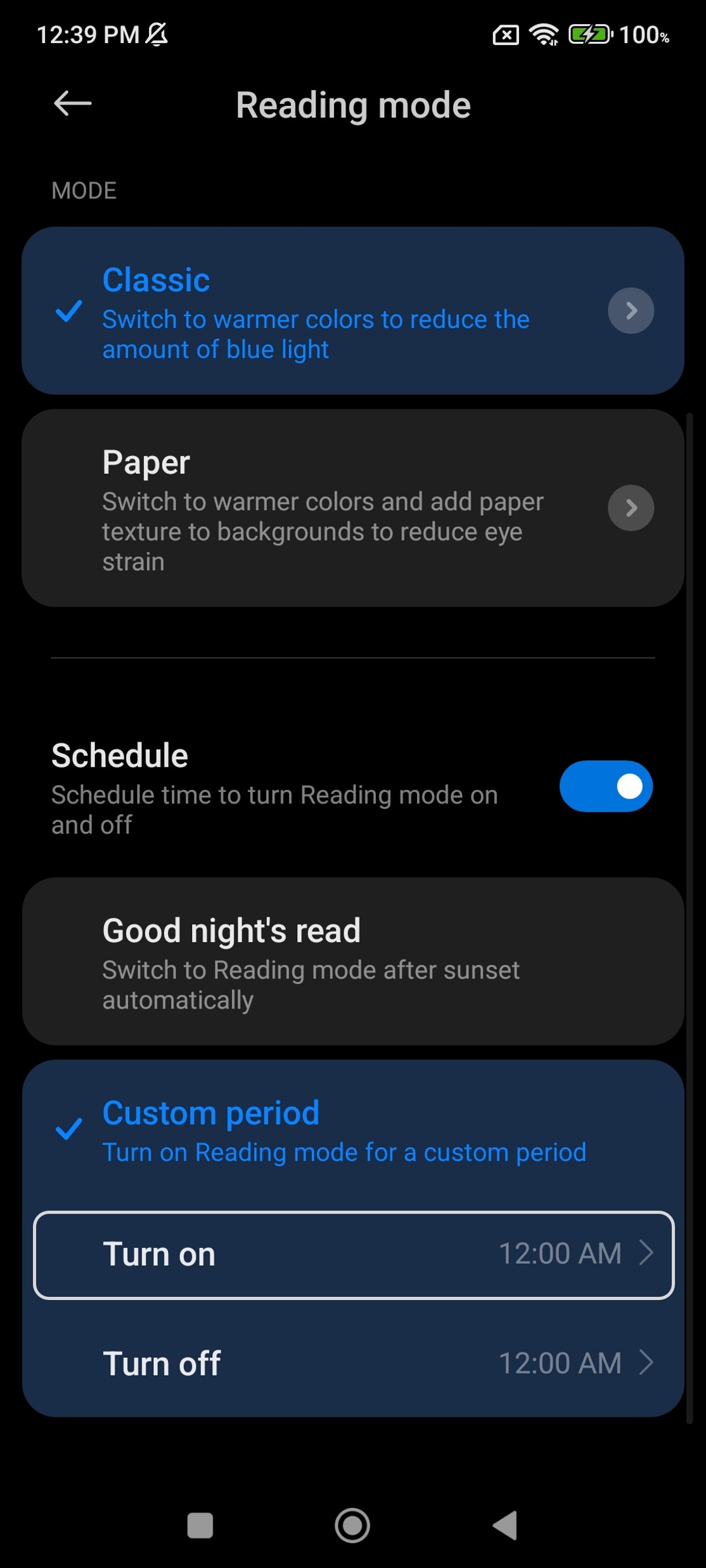
How Blue Light Affects Your Sleep: Understanding the Science Behind It
Blue light emitted from electronic devices such as smartphones, tablets, and computers has a significant impact on our sleep patterns. Research indicates that exposure to blue light during the evening disrupts the body's natural circadian rhythms by inhibiting the production of melatonin, the hormone responsible for regulating sleep. This disruption often leads to difficulties in falling asleep and can decrease overall sleep quality. To counteract these effects, experts recommend limiting screen time in the hours leading up to bedtime, as well as utilizing features like 'night mode' that reduce blue light exposure.
Understanding the science behind blue light and its effects on sleep is essential for fostering better bedtime habits. According to a study published in the Journal of Clinical Sleep Medicine, participants who were exposed to blue light before bedtime experienced a significant delay in sleep onset and were less alert the following day. To promote healthier sleep, consider implementing practices such as dimming the lights as evening approaches, using blue light blocking glasses, and incorporating relaxing activities like reading or meditating before sleep. By addressing blue light exposure, you can enhance your sleep quality and overall well-being.
Counter-Strike is a popular first-person shooter game that emphasizes teamwork and strategy, where players choose to be either terrorists or counter-terrorists. Many players spend hours in front of their screens, which can lead to eye strain. To help alleviate this issue, consider checking out the Top 10 Phone Accessories for Eye Strain. The game has undergone several updates and iterations, including the highly acclaimed Counter-Strike: Global Offensive.
5 Easy Steps to Reduce Blue Light Exposure Before Bedtime
In today's digital age, reducing blue light exposure before bedtime is essential for improving sleep quality. Here are 5 easy steps to help you minimize the impact of blue light on your circadian rhythm:
- Limit Screen Time: Aim to disconnect from all electronic devices at least one hour before bedtime. Screens from phones, tablets, and computers release significant amounts of blue light that can disrupt your sleep.
- Use Blue Light Filters: Install blue light blocking apps or use built-in features on your devices. These tools adjust the screen's color temperature to reduce blue light emission.
- Wear Blue Light Glasses: Invest in a pair of blue light blocking glasses. Wearing them in the evening can help filter out harmful light, allowing for a more restful night.
- Set Dim Lighting: Switch to soft, warm lighting in your home as bedtime approaches. Avoid bright overhead lights, as they can mimic daylight and interfere with your natural sleep cycle.
- Establish a Relaxing Bedtime Routine: Engage in calming activities such as reading a physical book or meditating. This can help signal to your brain that it's time to unwind, further reducing the impact of blue light exposure.
Is Your Nighttime Screen Use Disrupting Your Sleep Cycle?
The increasing use of screens at night, whether it’s from smartphones, tablets, or televisions, has raised concerns about its impact on our sleep cycle. Studies have shown that the blue light emitted by these devices can interfere with the production of melatonin, the hormone responsible for regulating sleep. This interference can lead to difficulties in falling asleep, reduced sleep quality, and increased daytime fatigue. If you find yourself scrolling through social media or binge-watching your favorite series late into the night, it may be time to reevaluate your nighttime habits.
To mitigate the effects of nighttime screen use on your sleep cycle, consider implementing some simple changes. Start by setting a specific screen curfew—try to reduce screen time at least one hour before bed. Additionally, you can enable blue light filters on your devices or invest in special glasses that block blue light. Establishing a calming nighttime routine can also significantly enhance your sleep quality, allowing your mind to unwind and prepare for rest. Remember, prioritizing your sleep is essential for overall health and well-being.